Each use case sets the real-world problem, drives the technical requirements, then becomes the proving ground where results are validated with farmers. AFarEDGE works across three of them.

Use Case 1: Future crop
REGENERATIVE AGRICULTURE
Growing more with less water, fertiliser and pesticide by reading the health of plants and soil far earlier than today’s tools allow; so small problems are caught before they spread.
Plant health
New sensors read plant biology directly like electrophysiological signals, emitted gases, and nutrient and water balance, along with insect activity, to spot stress two to three weeks earlier and cut phytosanitary use.
Soil health
A multi-sensor rig (ground-penetrating radar, electromagnetic induction, NIR, moisture, pH and NPK) fuses data with edge AI to bring lab-grade soil diagnostics into the field, in near real time
Use Case 2: Farm work
OUTDOOR EFFICIENCY
Cutting the long hours of outdoor work on bigger and bigger farms by making machines and unmanned vehicles smarter, safer, and able to keep working when the signal drops.
Implement management
A 60 GHz radar array detects stones and non-magnetic debris hidden in cut grass before the harvester ingests it , preventing costly damage and injured animals, while a rugged edge module makes soil implements self-adjusting.
Drone management
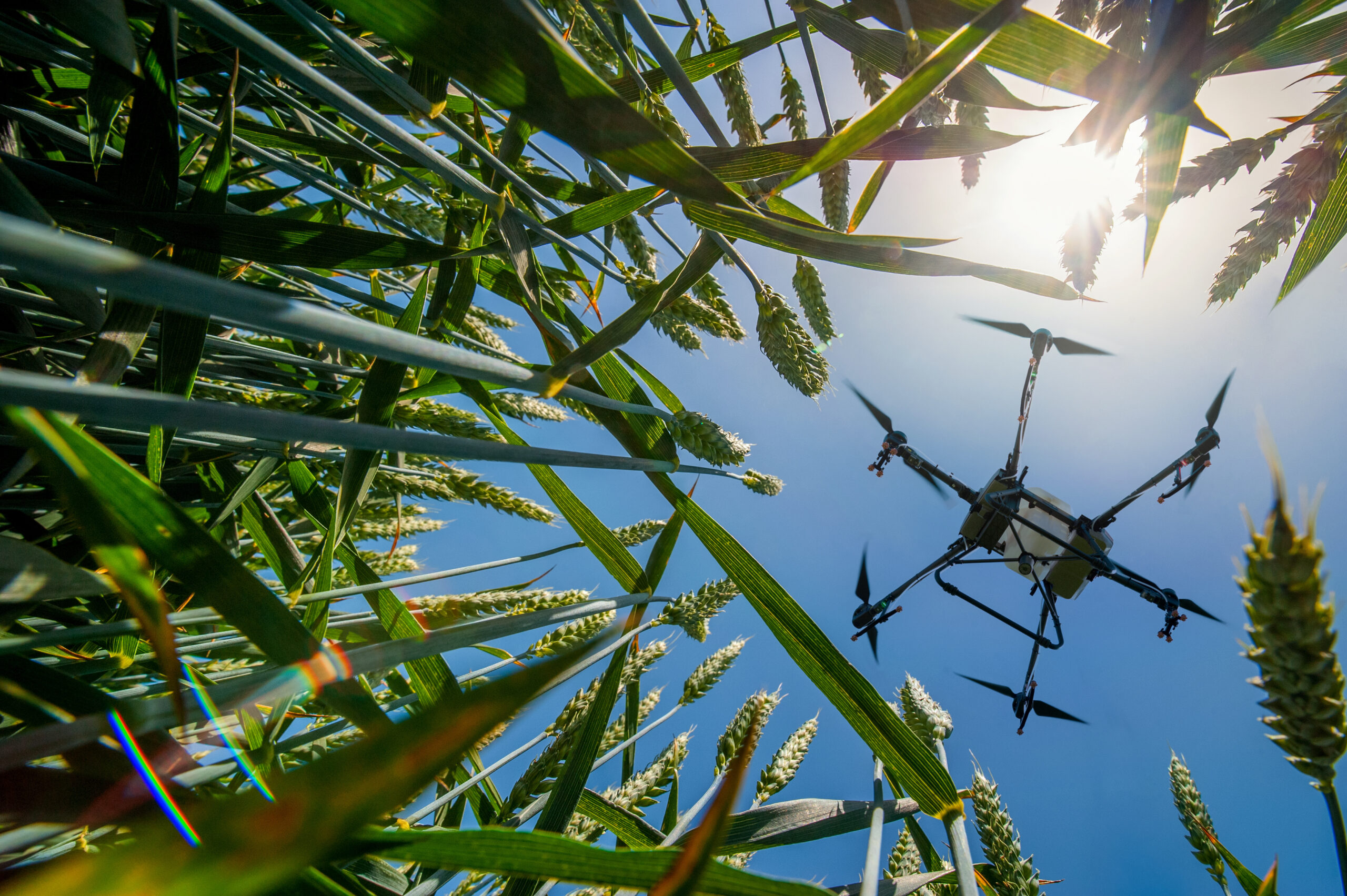
A MEMS gyro-compass enables reliable navigation even when GNSS is jammed, so drones and ground robots can run automated soil-sampling and field-photography missions and return home safely.
Use Case 3: Animal well-being
WELFARE & MONITORING
Giving farmers reliable, real-time awareness of animal welfare (indoors and out on remote pastures), using non-intrusive sensing and local AI that keeps running on batteries and weak links.
Animal management
In the barn, integrated gas and air-quality sensors plus indoor positioning quantify dairy-cow welfare; ventilation, activity and resting patterns — and flag anomalies for the farmer to act on.
Flock management
On open mountain grazing, smart collars, acoustic monitoring and drones build a picture of extensive flocks, tracking behavior, mapping grazed land, and alerting shepherds to predators or animals in distress.